
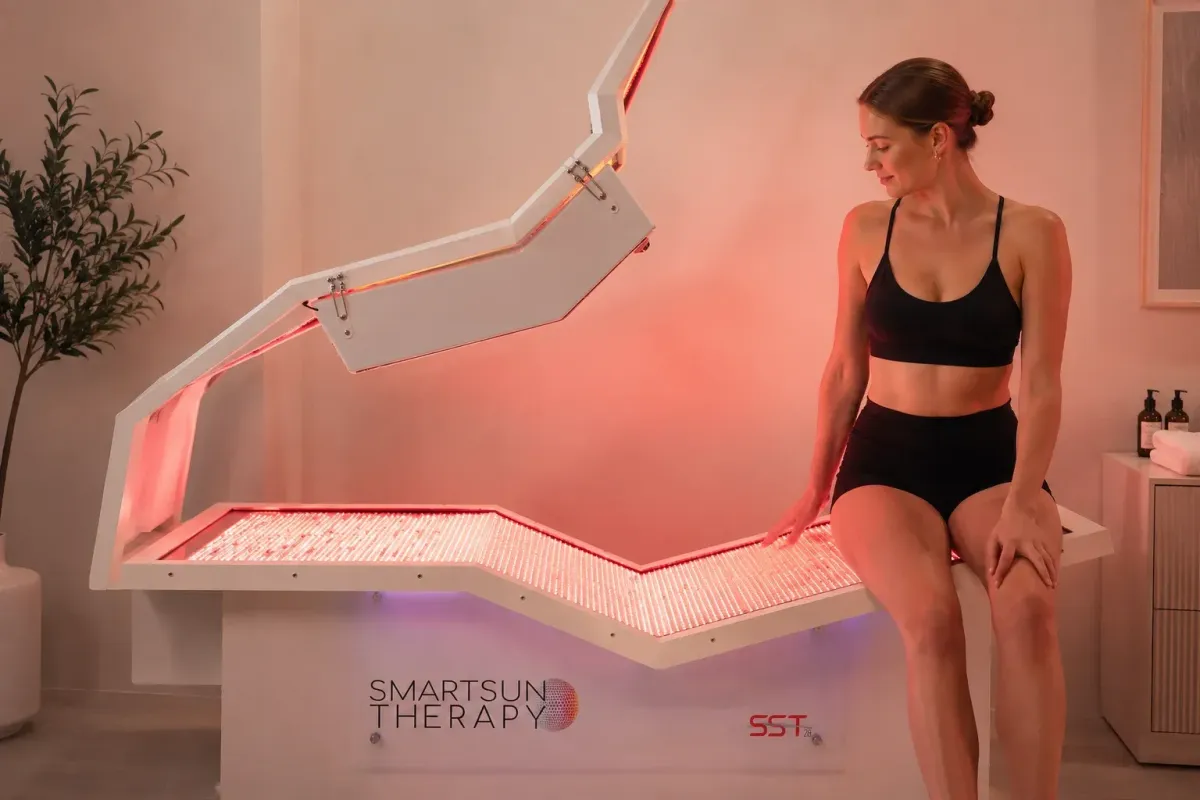
Red Light Therapy: Benefits for Skin & Body
Wellness, Red Light Therapy, Photobiomodulation, Skin Rejuvenation
The Science of Light: What Red Light Therapy Actually Does for Your Skin & Body
Step inside Copatan in Manhattan Beach and you’ll notice it immediately: that soft, sunset-red glow that feels more like a luxury ritual than a “treatment.” Red light therapy has become a quiet staple for wellness-conscious Angelenos—loved by facialists, athletes, and biohackers alike—but the real magic lies in the science happening beneath your skin.
At its core, red light therapy—also known as photobiomodulation—isn’t woo. It’s a carefully dosed interaction between light and your cells, with growing clinical research behind its benefits for skin rejuvenation, collagen, muscle recovery, inflammation, and even mood and sleep. Think of it as a gentle, luminous nudge that reminds your body how to repair itself more beautifully and efficiently.
How Red Light Therapy Actually Works
Red light therapy uses low-level red and near-infrared wavelengths—typically in the 600–1100 nanometer range—to bathe your skin and tissues in light. According to a 2026 review on photobiomodulation published on ScienceDirect, these wavelengths are absorbed by an enzyme in your mitochondria called cytochrome c oxidase, which plays a key role in how your cells create energy (ATP). When this pathway is stimulated, cells can produce more ATP, better manage oxidative stress, and activate signaling cascades linked to repair and regeneration.
In simple terms: red light gives your cells a subtle energy boost. The National Institutes of Health and resources like Medical News Today note that this mitochondrial support can translate into faster cell turnover, calmer inflammation, and improved tissue quality over time. Because red light is non-ionizing (unlike UV), the American Medical Association points out that it has not been linked to DNA damage or increased skin cancer risk when used appropriately, making it a gentle yet potent tool in a med-spa setting.
Skin Rejuvenation & Collagen: A Softer, Smoother Canvas
For many guests at Copatan, the first love affair with red light therapy begins at the mirror. Over a series of sessions, skin often looks a little clearer, a little brighter, and a little more “lit from within.” That glow isn’t just your imagination. A 2025 randomized, double-blind trial published on PubMed evaluated women using 660 nm red LED treatments via a facial mask. While traditional wrinkle scoring didn’t show dramatic differences, digital image analysis revealed significant reductions in glabellar and crow’s feet wrinkles, and over 70% of participants reported higher satisfaction with their skin’s appearance compared to controls.
A 2026 review in Facial Plastic Surgery Clinics of North America, available via PubMed, further explains that red and near-infrared light can encourage better blood flow, support wound healing, and influence how your extracellular matrix remodels—essential for smoother texture and more even tone. For scars and post-procedure healing, a 2026 scoping review on PMC found that red (633–670 nm) and near-infrared light improved the appearance of newer scars, particularly those under 12 months old, though protocols varied between studies.
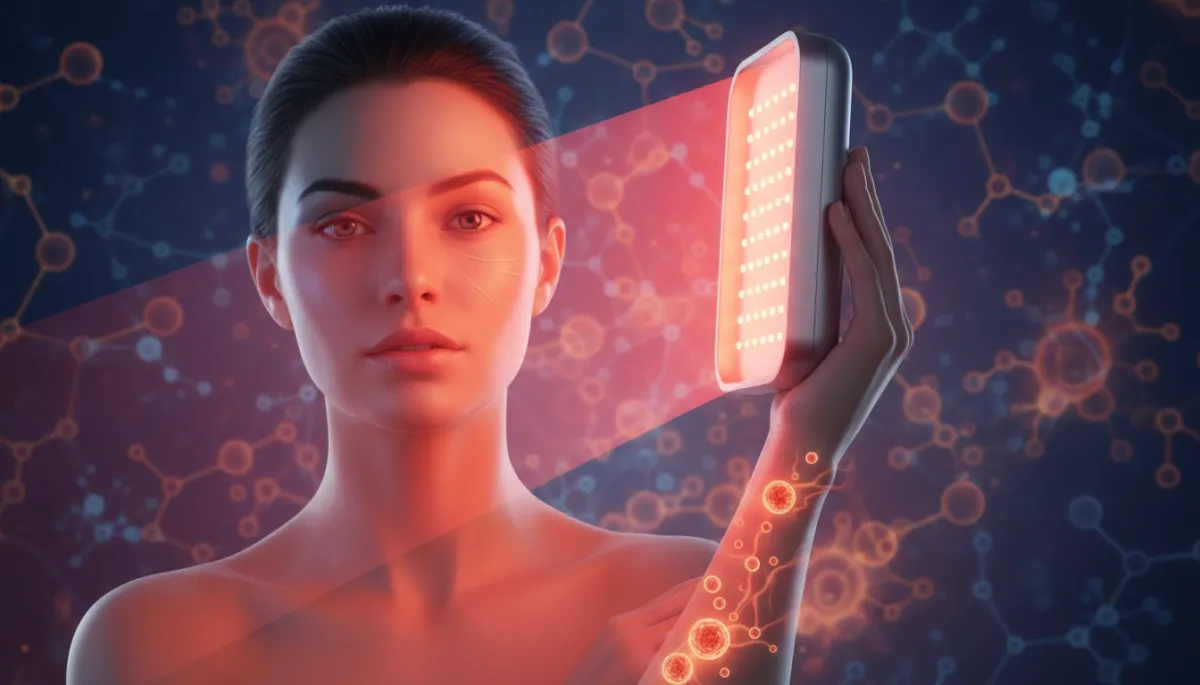
Consistent red light sessions can subtly refine texture, tone, and that coveted natural glow.
Collagen Support: Firmness Without the Downtime
Collagen is the quiet architecture beneath your skin—the scaffolding that keeps everything lifted, firm, and resilient. As we age, natural collagen production declines, and lifestyle factors like sun, stress, and late nights in Los Angeles don’t exactly help. Red light therapy offers a non-invasive way to encourage that structural support system without needles or lasers.
According to a 2026 mechanistic review on PubMed, photobiomodulation can influence fibroblasts—the collagen-making cells in your dermis—by modulating mitochondrial energy, growth factors, and signaling pathways tied to extracellular matrix remodeling. In one 2026 study of a home-use near-infrared device published on Wiley Online Library, participants saw significant improvements in firmness, elasticity, hydration, and even dermal thickness on ultrasound over 12 weeks, with high satisfaction and no serious side effects reported. While at-home devices vary widely in power and quality, these findings echo what many guests experience with professional-grade panels at a med-spa: a gradual, natural-feeling firmness that doesn’t look “done,” just refreshed.
Muscle Recovery & Inflammation: For Bodies That Do It All
Manhattan Beach life tends to be active—morning runs on The Strand, Pilates, surf sessions, weekend hikes. Red light therapy has quietly become a favorite among athletes and fitness lovers for its role in muscle recovery and inflammation support. A 2026 analysis of photobiomodulation on PMC reported moderate-certainty evidence that red and near-infrared light can reduce pain and disability in conditions like knee osteoarthritis and fibromyalgia, likely through anti-inflammatory signaling and improved mitochondrial function in muscle and joint tissues.
Other studies summarized on PubMed suggest that low-level light can support microcirculation and tissue repair in chronic wounds and neuropathic pain, though protocols and devices differ. The effect isn’t a dramatic “switch,” but more of a cumulative easing: less stiffness after a tough workout, calmer joints, a sense that your body is bouncing back a bit more quickly. At Copatan, many guests pair red light sessions with massage, lymphatic work, or contrast therapies to create a layered, recovery-focused ritual that feels as indulgent as it is functional.
Mood, Sleep & Nervous System Calm
Beyond the visible glow, many people notice something subtler after a series of red light therapy sessions: deeper sleep, softer edges around stress, a more balanced mood. According to a recent meta-analysis of randomized controlled trials on PMC, photobiomodulation has been associated with moderate improvements in sleep quality scores, with proposed mechanisms involving enhanced mitochondrial metabolism in brain cells and modulation of neural networks tied to circadian rhythm and emotional regulation.
While the evidence is still emerging and somewhat heterogeneous, early research into cognitive and mood benefits is promising. A systematic review on PMC notes improvements in certain cognitive functions in older adults or those with mild impairment after transcranial light therapy. For everyday wellness seekers in Los Angeles, that may translate to feeling a touch clearer, more focused, and more rested—especially when sessions are woven into an evening ritual that signals to your nervous system: it’s time to downshift.
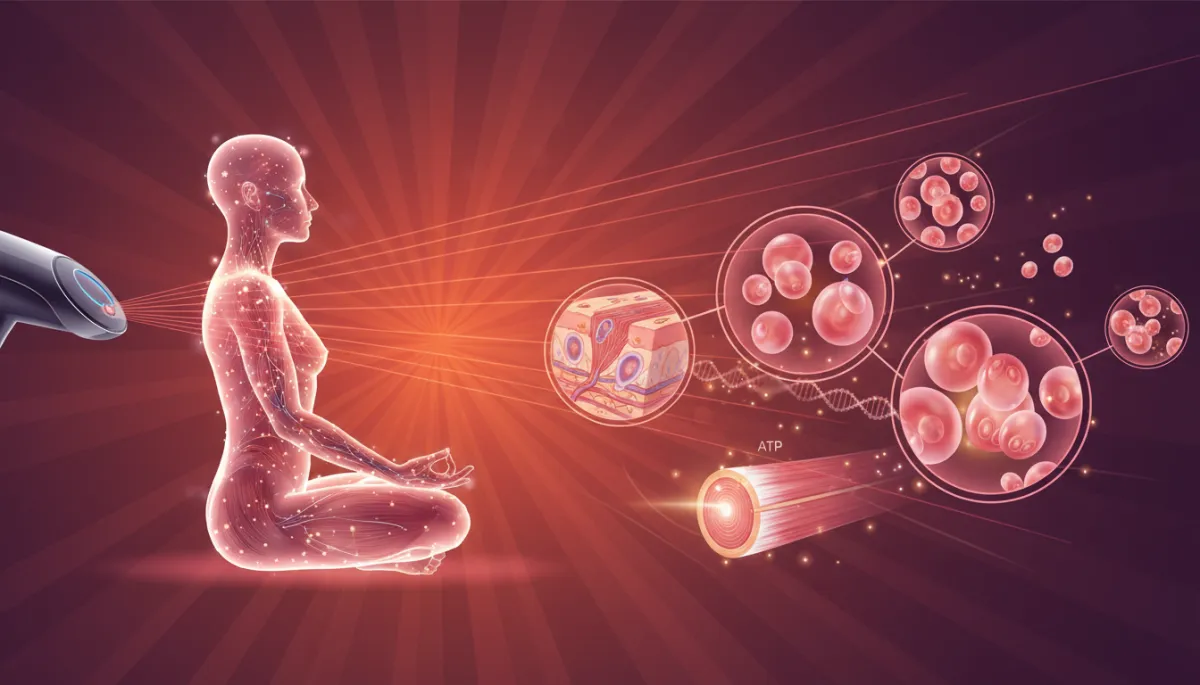
A curated environment turns photobiomodulation into a full-body ritual of calm and repair.
Safety, Expectations & Why Setting Matters
The American Medical Association’s “Health vs. Hype” series acknowledges that red light therapy has legitimate benefits when properly dosed, but also notes that not all devices are created equal. A 2024 overview in Scientific American raised concerns that many over-the-counter gadgets don’t deliver the same irradiance or treatment parameters used in clinical research, which can make results inconsistent at home.
Dermatology guidance from the American Academy of Dermatology also emphasizes that while several red light devices are FDA-cleared for indications like skin aging and hair loss, clearance speaks to safety more than guaranteed results. That’s where expert oversight—and a thoughtful, personalized protocol—become essential. At a med-spa like Copatan, your red light therapy is not a one-size-fits-all panel; it’s a curated experience woven into your broader skin and wellness plan, with attention to your skin type, lifestyle, and goals.
Experience the Glow at Copatan, Manhattan Beach
Red light therapy is not a magic wand—but it is a beautifully gentle technology with a growing body of science behind it. From supporting collagen and skin rejuvenation to easing post-workout soreness, calming inflammation, and softly nudging your sleep and mood in the right direction, photobiomodulation offers a rare combination of subtlety and impact.
At Copatan in Manhattan Beach, we’ve designed our red light experiences to feel like a pause in your day: warm, quiet, and deeply restorative. If you’re curious about weaving red light therapy into your skincare or wellness routine, you’re welcome to visit, ask questions, and simply see how it feels to sink into the glow. No pressure, no hard sell—just a chance to let the light do what it does best: support your body’s own, beautifully intelligent repair systems.